
Ground That's Ready for What You're Building
Land Clearing in Random Lake for properties thick with brush, stumps, and root crowns that block development or use
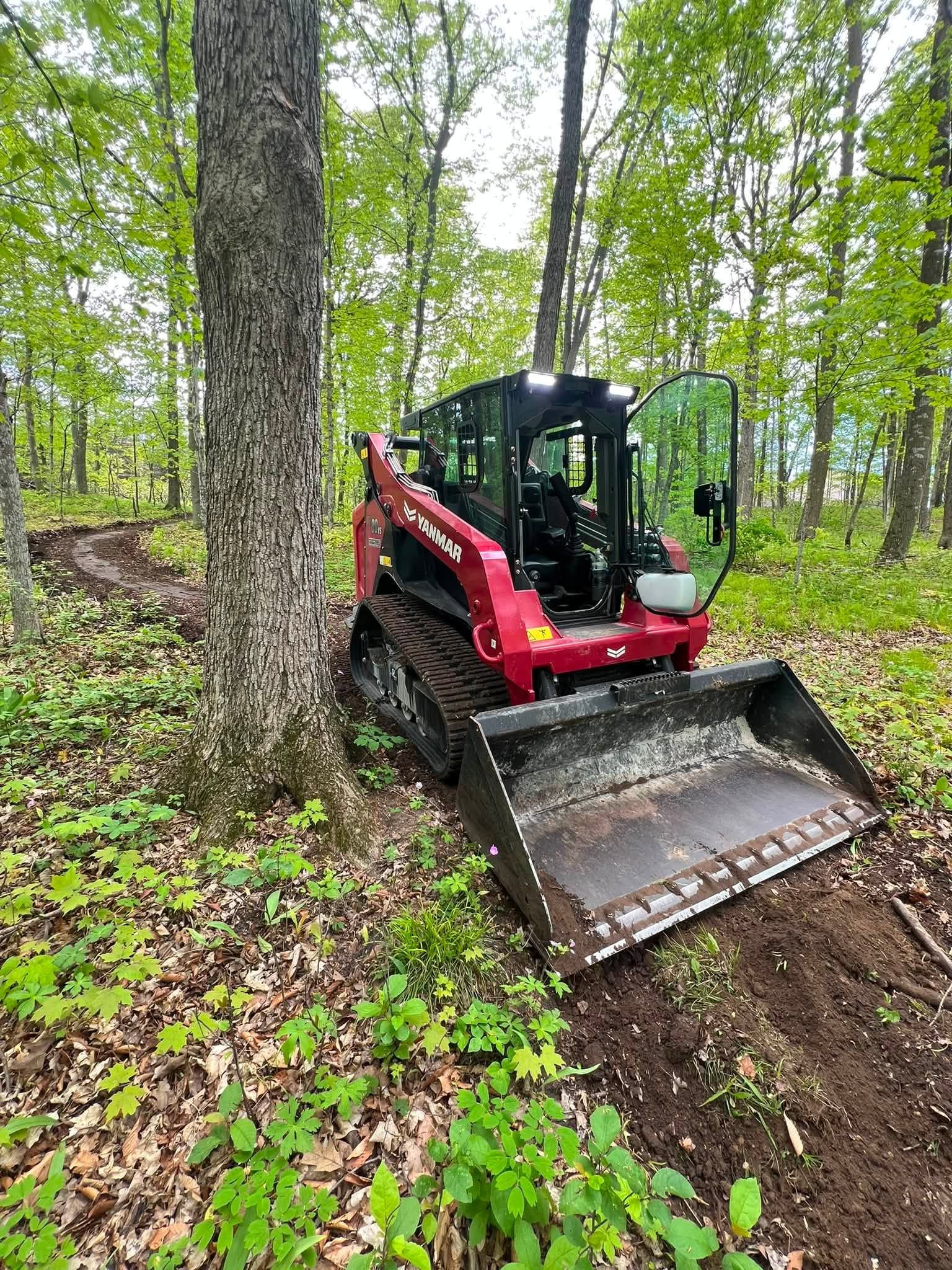
Dense brush and scrub regrowth accelerate across Sheboygan County's rural lots after every wet spring thaw, and that overgrowth doesn't clear itself. Schmitt Land Management LLC handles land clearing across Random Lake and surrounding rural communities, removing trees, stumps, brush, and root crowns so residential and agricultural parcels are usable again. Work is sequenced root-to-canopy, with brush mowed first so equipment reaches stumps and root crowns cleanly without fighting through layers of vegetation.
Land clearing opens parcels for building, fencing, grazing, or equipment access by removing everything from scrub brush along field edges to mature trees blocking a building pad. The process involves cutting standing vegetation, grinding or extracting stumps below grade, and clearing root crowns that would otherwise resprout or interfere with grading. In the Lakeshore region, clearing demand follows agricultural expansion, shoreline property preparation, and rural-residential development where wooded or overgrown parcels need conversion to functional acreage.
Request a site visit to identify what needs removal and how the clearing should be sequenced for your intended use.
Why Clearing Sequence Matters on Wisconsin Ground
Clearing starts with brush mowing to expose the subsurface before heavy equipment moves stumps or roots. That first pass reveals what's underneath—hidden stumps, surface rock, old fence posts, or drainage patterns you can't see through dense growth. Once brush is down, stumps get ground or pulled depending on depth requirements, and root crowns are removed so nothing regrows through your new grade or lawn.
After clearing, you'll see open ground with stumps gone below grade, no regrowth pushing through fill dirt, and a surface ready for seeding, grading, or construction prep. Schmitt Land Management LLC works with direct knowledge of kettle moraine subsurface conditions common across Sheboygan County, where glacial till, clay pockets, and buried rock can shift equipment access plans mid-job. Proximity to Random Lake Village, Waubeka, and surrounding rural areas means scheduling happens faster than regional crews traveling from outside the county.
Clearing depth and debris handling depend on your end use—lawn prep needs different grading than a gravel driveway or building pad. Some jobs require stump grinding to six inches below grade for topsoil and seed, while others need full root extraction to avoid interference with footings or underground utilities. Debris is typically chipped, hauled, or piled on-site based on your preference and local disposal options.
What Property Owners Usually Ask
Questions about land clearing often focus on timing, debris, and how the work fits into a larger site plan.
What gets removed during a land clearing job?
Everything blocking your intended use—standing trees, stumps ground below grade, brush mowed to ground level, and root crowns extracted so regrowth doesn't push through fill or lawn seeding. The scope adjusts based on whether you're prepping for construction, fencing, or just reclaiming overgrown field edges.
How does wet spring weather in Random Lake affect clearing work?
Sheboygan County's wet spring thaw softens ground and accelerates brush regrowth, but it also limits equipment access on saturated soil. Clearing often schedules better after ground firms up in late spring or during drier summer and fall windows when equipment won't rut soft parcels.
What happens to the debris after clearing?
Brush and smaller material can be chipped on-site, hauled away, or piled for burn if local ordinances allow. Larger stumps and root balls are typically removed from the property or buried in low spots depending on your grading plan and what the parcel will be used for.
Why does clearing cost vary between properties?
Density of growth, stump diameter, accessibility for equipment, and disposal requirements all affect labor and time. A half-acre lot with scattered saplings clears faster than a wooded parcel with mature trees, thick root systems, and limited equipment access from the road.
When should I schedule clearing if I'm planning construction or fencing?
Clear before any grading or layout work begins so you're working on stable, visible ground without hidden stumps or roots interfering with post holes, foundation lines, or utility trenches. Timing clearing ahead of construction also lets the site settle after heavy equipment passes through.
Schmitt Land Management LLC operates as a locally based crew familiar with the terrain and conditions across the Lakeshore region. Schedule a property walkthrough to map what needs clearing and confirm the sequencing that fits your timeline.